
Overview
Our team was initially contacted by a client in Watford who had been experiencing issues with their on-site fire tanks, which had not been filling with water. Following a thorough investigation, we discovered that the water board had previously cut off the tanks’ main inlets, leaving them completely dry and non-operational for the past three years.
In addition to restoring the fire tanks, the site also required a new temporary water connection for a separate company occupying a newly built unit on the premises. This connection would ensure a reliable water supply while the application for a brand-new permanent supply pipe was being processed.
Our solution
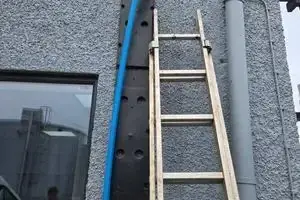
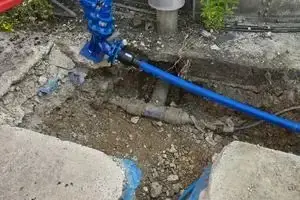
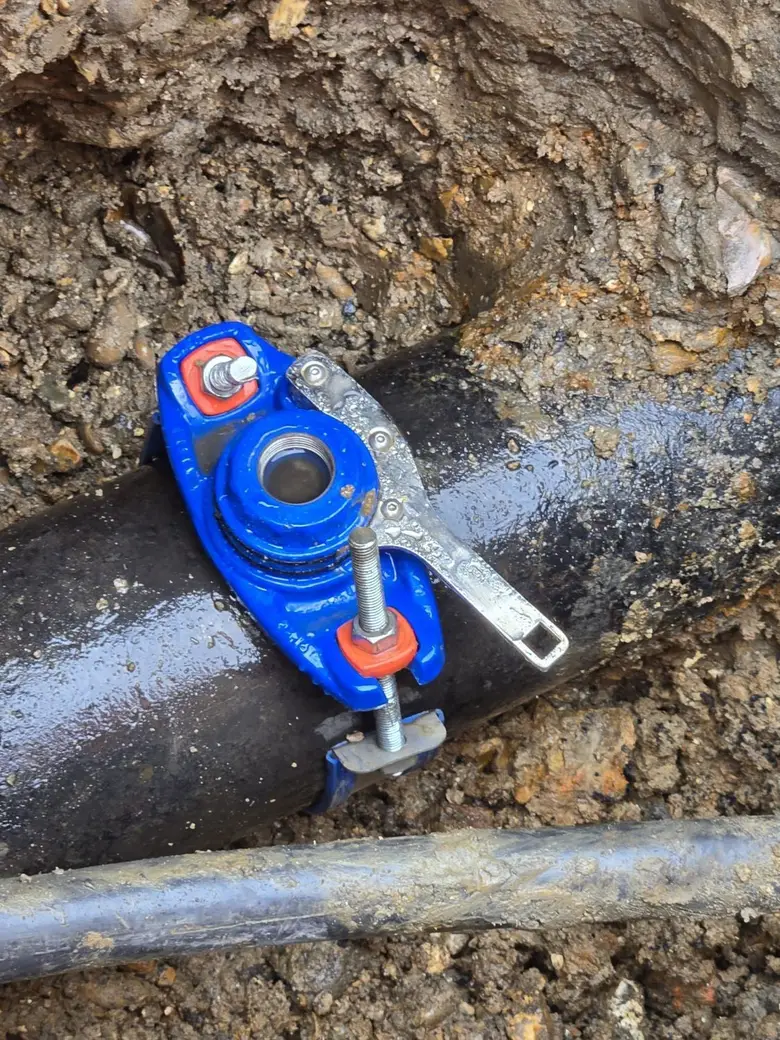
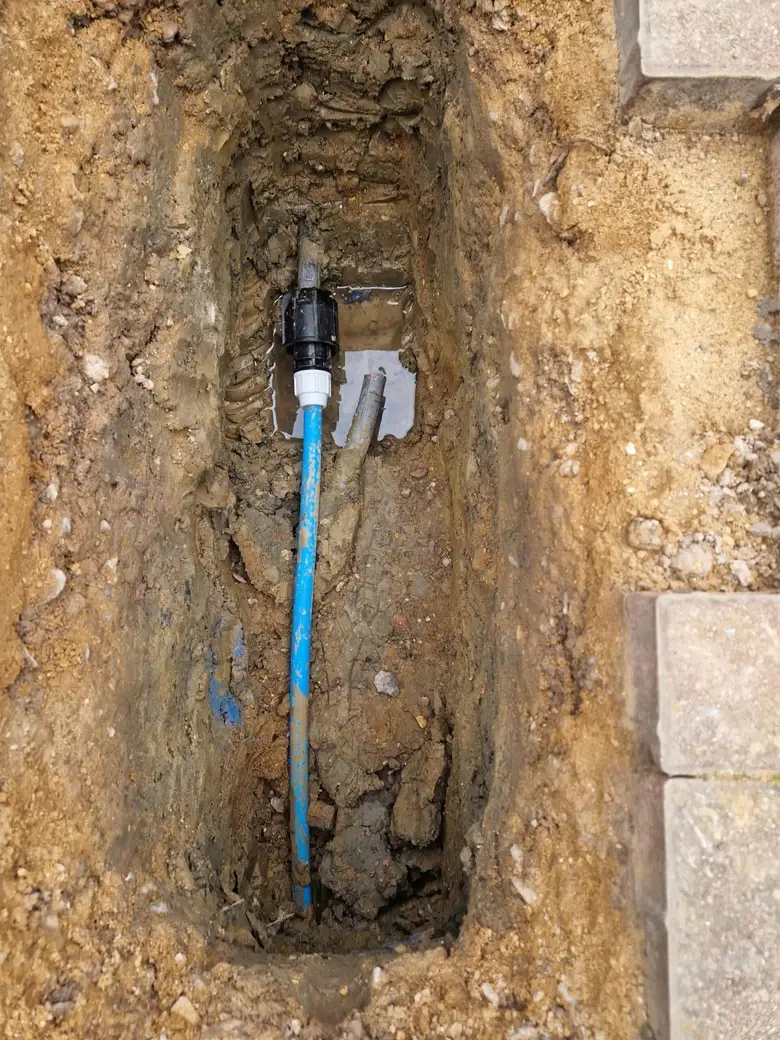
We proposed a comprehensive package of works to restore full functionality to the site’s water system and fire safety infrastructure. The plan included installing a temporary overland supply from an existing building to the new unit, allowing water access during the interim period; creating a 63mm dedicated connection to the two fire tanks, enabling them to be fed separately and ensuring the site could regain insurance compliance; and managing all applications, communications and approvals with the local council, traffic management teams and the water board to streamline the entire process.
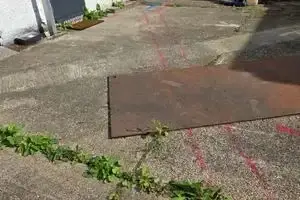
A detailed site visit was arranged to walk the customer through the self-lay process and explain how we manage every stage of the scheme — from permits to completion — to minimise disruption. Once the proposal was agreed, we produced all relevant RAMS, a build plan and a schedule of works, while progressing the Section 50 permit and water board application.
Project delivery
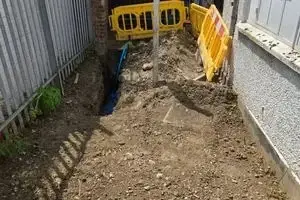
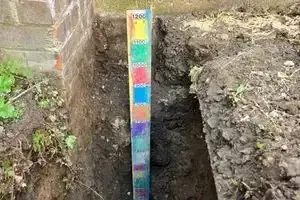
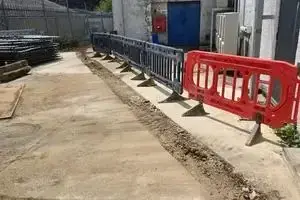
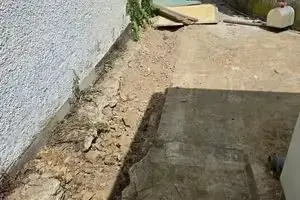
The works were carefully scheduled to accommodate other ongoing projects at the site. We initially allocated two weeks for the on-site work and three days for the off-site section. Our skilled engineers completed the on-site work within just seven working days and the off-site connections within the planned three-day period.
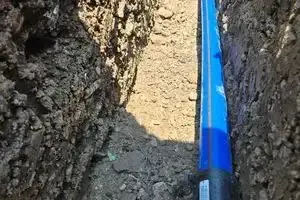
After completing the mains lay, we successfully commissioned the pipework, carried out pressure testing, and obtained all necessary passed water samples. The system was then fully connected, restoring water supply to the tanks and confirming full functionality. All details and results were provided to the water board for final verification and sign-off.